
Al-Jarad
دارجلا Al-Jarad
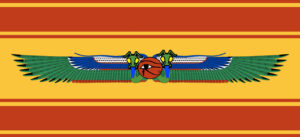 The land of Al-Jarad features vast swamps, towering mountains, and mysterious caves. To the east, the terrain transforms into a dry desert with imposing pyramids. The land is known for its ancient temples, sacred tombs, and deep connections to Egyptian deities such as Ra and Osiris.
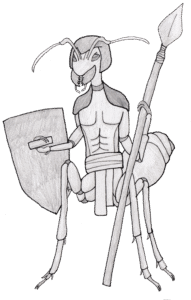 What does the country look like?
The country has sandy areas but also many tropical areas. There are many mountains, and the plants are larger than normal, as they used to be in the days of the dinosaurs in movies and books.
- Which country or countries is this near?
Al-Jarad is an island near Varné (the land of the elves).
- How many races live in this country?
The races that rule the country are: Spiderfolk, Thri-kreen, Vespoids, abu daqiq, Beetle folk, dragonfly flok and the mothmanThe races who live in the country are: Camelfolk, Tlincalli, Hissfolk (and other large insects, but they are not main races)
- What are the culture and traditions?
The culture is based on Egyptian culture, so think of Pharaoh, pyramids, and daily rituals to honor the gods!Traditions are:
Hospitality, such as offering and accepting tea, and respecting religious norms, especially during prayer. Also, the dress code, which requires modest clothing (particularly covering the shoulders and knees, and for women, a hijab in religious places) and respectful use of the right hand (which is considered “pure”).
- What is the traditional dresscode?
The traditional dresscode of Al-Jarad consists of light, loose clothing made of linen, because it’s hot there. Men usually wear a loincloth or an apron that reached to the knee or calf, while women often wear long robes. Pharaohs have special clothing, such as a hip apron decorated with royal symbols and a double crown.How many cities are there?
There are seven cities linked to the race.
- What religion prevails in the country?
The people who live in the land of Al-Jarad believe in seven ancient gods. These gods take the forms of insects and spiders, and each one rules over a different kind of insect or insect-like creature.
- Bralm: God of Agriculture and Insects Bralm is the god of agriculture, nature, and insects. He is closely connected to the growth of crops and the fertility of the land. Farmers pray to Bralm for healthy harvests and protection from pests that could destroy their crops.
- KilMoth: God of the Mothman KilMoth is the mysterious god of the Mothman. He is associated with darkness, secrets, omens, and the creatures that emerge during the night. His followers believe that seeing a Mothman is a sign that something important or dangerous is about to happen.
- Beegawueen: Goddess of Honey, Bees, and Vespoids Beegawueen is the goddess of honey, bees, and the Vespoids. She represents community, hard work, and the protection of the hive. Her followers believe that every member of a community has an important role to play, just as every bee has a purpose within its hive.
- Obox-ob: God of Beetles and Beetlefolk Obox-ob is the god of beetles and the Beetlefolk. He represents strength, endurance, and the ability to survive even in the harshest environments. Beetles are considered sacred to him because of their resilience and their connection to the earth.
- Drakonflyr: God of Dragonflies and Dragonflyfolk Drakonflyr is the god of dragonflies and the Dragonflyfolk. He is associated with speed, freedom, and the waters of Al-Jarad. His followers see the dragonfly as a symbol of change and transformation.
- Beaut Abu: God of Abu Daqiq and Butterflies Beaut Abu is the god of the Abu Daqiq and butterflies. He represents beauty, transformation, and the cycle of life. Butterflies are sacred to his followers because they symbolize the journey from one form of existence into another.
- Miska: Goddess of Spiders and Spiderfolk Miska is the goddess of spiders and the Spiderfolk. She represents webs, patience, cunning, and secrets. Her followers believe that everything in the world is connected, just like the strands of a spider’s web.
Miska once had a daughter named Lolth. However, Lolth was stripped of her divine title and power after committing an unknown crime or betrayal. She was cast out of the realm of the insects and banished from the land of Al-Jarad.
Even today, the people of Al-Jarad remember Lolth’s fall. Some fear her, while others secretly worship her, believing that one day she may return and reclaim what was taken from her.
When a new pharaoh is chosen, it is customary for the old pharaoh to be ceremonially sacrificed and eaten starting with the head, followed by the rest of the body.
- Bralm: God of Agriculture and Insects Bralm is the god of agriculture, nature, and insects. He is closely connected to the growth of crops and the fertility of the land. Farmers pray to Bralm for healthy harvests and protection from pests that could destroy their crops.
- What is the symbol of the country?
Pyramids and temples and also the Sphinx, which has an insect head. - How do creatures travel in this country?
By boat and camel or large insects such as giant beetles.